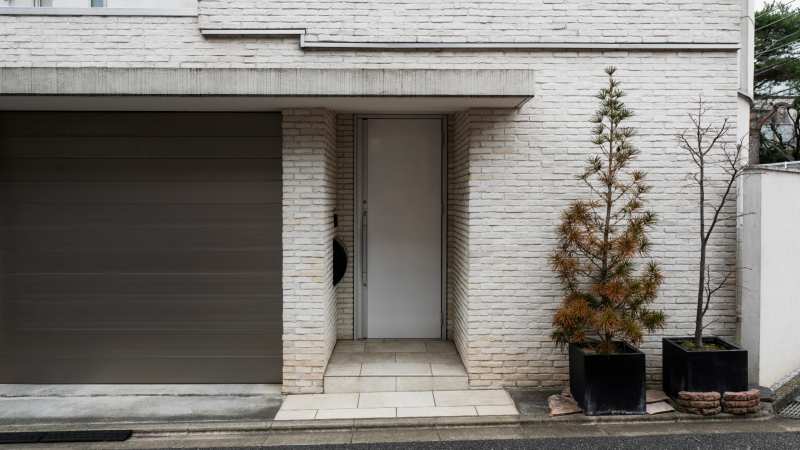
A garage door is one of the most frequently used moving parts in any home. Families rely on it daily—whether they’re leaving for school, unloading groceries, or securing the house at night. While it may seem like a simple system, a garage door is heavy, complex, and capable of causing serious harm when it malfunctions. This is why The Hidden Dangers of Garage Door Issues: A Lethbridge Parent’s Safety Guide is so crucial for families wanting to maintain a safe and efficient home environment.
From broken springs to faulty sensors, garage door problems can quickly escalate into safety hazards if ignored. Children, pets, and elderly family members are especially vulnerable. Understanding how to identify warning signs, prevent accidents, and maintain safe operation can protect your household from avoidable risks.
This comprehensive guide explores the dangers associated with malfunctioning garage doors and provides actionable safety tips tailored to families living in Lethbridge.
1. Why Garage Door Safety Matters for Families
Garage doors may not always be top-of-mind when parents think about home safety, but they should be. With many systems weighing over 200 pounds, a malfunction can lead to property damage, injuries, or even emergencies. Families often store tools, sports equipment, and personal belongings in the garage, making the space high-traffic throughout the week.
For homes with active children and busy schedules, the garage door should operate smoothly and reliably. A malfunctioning system doesn’t just cause inconvenience—it jeopardizes safety.
2. Common Garage Door Issues That Can Become Dangerous
Although every home is unique, several garage door issues consistently appear across households. Most of these problems worsen over time and are far easier to address early.
2.1 Worn or Broken Springs
Garage door springs handle the door’s weight. When one breaks, the door can slam shut with force. This poses immediate risks to children and pets who may be entering or exiting the space.
2.2 Misaligned or Faulty Sensors
Modern garage doors include safety sensors designed to stop the door if an object is detected. When sensors fail or become misaligned, the door may close unexpectedly.
2.3 Frayed Cables or Loose Hardware
Cables help support the door’s movement. Over time, they can fray, weaken, or snap. Loose bolts and hardware also make the door unstable and unpredictable.
2.4 Unresponsive Controls
If remote controls, wall switches, or wireless keypads malfunction, they can cause the garage door to move slowly or in the wrong direction.
2.5 Track Misalignment
A bent or damaged track prevents the door from moving smoothly. This can cause uneven movement, grinding noises, or eventual detachment from the track.
All of these issues contribute to the safety concerns outlined in The Hidden Dangers of Garage Door Issues: A Lethbridge Parent’s Safety Guide and highlight why parents must stay proactive.
3. How Garage Door Problems Affect Children and Pets
Children are naturally curious, and the garage door is a moving system that attracts attention. Running beneath a closing door, pressing buttons repeatedly, or playing near the track can all lead to dangerous scenarios.
Top risks include:
-
Getting fingers caught between panels
-
Being struck by a falling door
-
Injuries from broken or whipping springs
-
Trips or falls due to uneven doors or cluttered floors
-
Motion-related accidents occur when sensors fail to stop the door
Pets face similar dangers, especially when sensors malfunction. A healthy garage door should always stop and reverse if an object or animal passes beneath it.
4. Warning Signs Parents Should Never Ignore
Families need to recognize early signs of trouble to ensure home safety stays intact.
Look out for:
-
Loud grinding or squeaking noises
-
A door that moves more slowly than usual
-
Uneven or jerky movement
-
Sagging when partially open
-
Failure to reverse when something is underneath
-
Remote or keypad delays
-
Visible damage to springs, cables, or tracks
Any of these symptoms may indicate that your home is experiencing The Hidden Dangers of Garage Door Issues: A Lethbridge Parent’s Safety Guide in real time. Early action is always the safest approach.
5. Practical Safety Tips for Lethbridge Parents
Here are essential steps families can take to ensure a safe home with a functional garage door system.
5.1 Teach Children Garage Door Safety Rules
Kids should know:
-
Never run under a moving door
-
Never touch garage door springs or cables
-
Avoid pressing buttons repeatedly
-
Keep toys and sports gear away from the door
5.2 Keep the Garage Door Area Clear
A cluttered garage increases risk. Remove loose items, sports equipment, and tripping hazards from the path of the door.
5.3 Test the Auto-Reverse Feature Monthly
Place a soft object like a roll of paper towels under the door. If the system doesn’t reverse, the sensors need adjustment or repair.
5.4 Schedule Regular Maintenance
Annual inspections help catch worn parts early. Doors experience wear from extreme temperatures, daily use, and seasonal weather—especially in Lethbridge.
5.5 Replace Old Doors or Systems
Older garage door systems may lack modern safety features such as pinch-resistant panels or wireless sensor alerts.
6. The Role of Weather and Climate in Garage Door Safety
Lethbridge experiences fluctuating temperatures, strong winds, and seasonal weather that can quickly affect garage door performance.
-
Cold weather stiffens metal components
-
Heat causes sensors to malfunction
-
Moisture leads to rusted springs or cables
-
Wind puts strain on panels and tracks
Understanding these environmental impacts is an essential part of The Hidden Dangers of Garage Door Issues: A Lethbridge Parent’s Safety Guide and helps families maintain long-term safety.
7. Why Consistent Maintenance Is Essential
Regular maintenance ensures:
-
Longer garage door lifespan
-
Reduced risk of unexpected breakdowns
-
Safer operation for children and pets
-
Lower repair costs
-
Improved home security
Even minor tasks—oiling hinges, tightening screws, cleaning sensors—support a safer home.
8. When It’s Time to Seek Professional Help
While some tasks are safe for parents to handle, others require expertise due to the high tension and weight of garage doors.
Parents should seek help when:
-
Springs are worn or broken
-
Cables appear damaged
-
Tracks are bent
-
Motor systems fail
-
The door becomes unbalanced
Attempting risky repairs can lead to severe injuries. Professional assistance ensures the garage door is fixed safely and effectively.
Conclusion
Garage door issues may seem like small inconveniences, but they can quickly turn into major safety hazards, especially in a busy household. Families in Lethbridge rely on their garage doors daily, making proper functioning a top priority for safety, convenience, and home security.
Understanding The Hidden Dangers of Garage Door Issues: A Lethbridge Parent’s Safety Guide helps parents stay vigilant, identify warning signs early, and take meaningful action to protect their loved ones. With proper maintenance, safety checks, and awareness, every parent can create a safer home environment where children and pets are protected from preventable risks.
FAQs
1. What’s the most common garage door problem parents should watch for?
Worn springs and misaligned sensors are the most frequent issues in family homes. Both problems can lead to sudden door movement and safety hazards.
2. How often should a garage door be serviced?
Once a year is recommended, but high-use systems or older doors may require more frequent checks.
3. Why is my garage door so loud?
Excessive noise usually means parts need lubrication, hardware is loose, or components are wearing out.
4. Can children safely operate garage door openers?
It’s best to supervise young children. Teach them never to play with buttons or run beneath a moving door.
5. What should I do if the garage door won’t close?
Check the sensors for dirt, misalignment, or obstructions. If the problem continues, professional assistance is necessary.