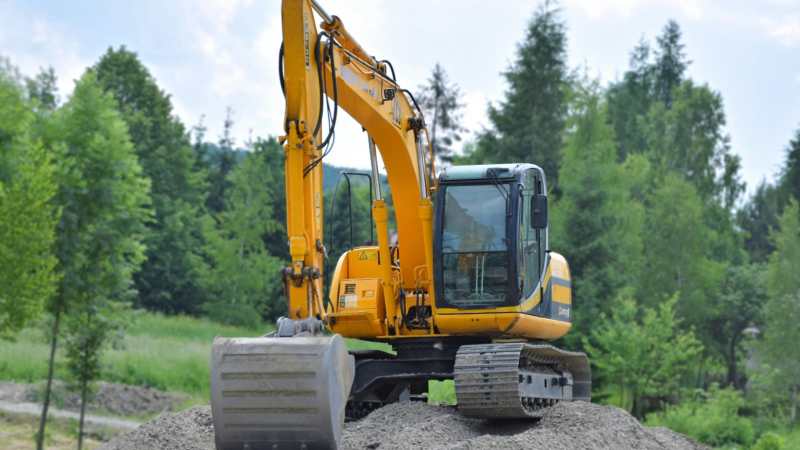
Playing key roles in construction, mining, forestry, and utility industries, excavators are one of the most common types of heavy machinery that many different industries benefit from. Typically, excavators are used for digging trenches, excavating building foundations, and earthmoving, yet they can also handle many other tasks, such as demolition, removing debris, material handling, and more.
When it comes to heavy-duty jobs, excavators are the backbone of the workflow, all thanks to their high versatility, strength, and efficiency. This essential construction equipment can be used for a variety of tasks, assisting workers in getting the most intricate projects done with its powerful hydraulic systems, precise controls, and specialized, interchangeable attachments that transform a single excavator into a multi-purpose machine able to handle dozens of tasks.
To check excavator or other heavy machinery listings online, you can visit Makana.com, as it provides a unique experience, including 360° virtual tours and detailed reports with 75+ points inspections.
Basic Components of an Excavator
An excavator is mainly made up of five major parts, which are the undercarriage, the cab, the boom, the arm, and the bucket (or whatever attachment the excavator has). These main elements work together, delivering power from the engine, which is usually placed at the rear of the cab, to the boom and arm to get them working.
The Boom
The excavator’s dig reach and lifting capacity heavily rely on the boom, as it serves as the main support structure for the arm and bucket to operate with strength and accuracy.
The Arm
Attached to the end of the boom is the excavator’s arm. The arm connects the boom to the bucket through a hydraulic cylinder fixed on its upper side, enabling precise digging, grading, and lifting ability.
The Bucket
The standard excavator bucket consists of a metal scoop with sharp teeth that enables the excavator to dig down into the ground. If other tasks are needed, the standard bucket can simply be detached from the arm and replaced with whatever other attachment is needed for the task.
The Cabin
Acting as the control center of the excavator, the cab is where the driver sits, controlling every bit of movement that the machine makes. The cab is usually surrounded by glass, allowing the operator to be protected inside and have a full view of the working site.
The Undercarriage
Excavators come mounted on top of tracked or wheeled undercarriages, with wheeled ones mostly being used for roadworks. Tracks are usually made of steel, with some excavator models (especially smaller ones) being supplied with rubber pads. These rubber pads are perfect for softer surfaces, like asphalt or concrete, causing less damage and noise.
How Excavators Work
Excavators rely on hydraulics to work the boom, arm, and even the attachment. The hydraulic system is considered the excavator’s beating heart that provides it with such exceptional power to perform various tasks. As for how it works, the engine of excavators powers a hydraulic pump, which forces a large amount of hydraulic oil into a closed pipe system, generating a flow of fluid under high pressure. A set of valves sends this pressure to a hydraulic cylinder, creating a fluid pressure inside it.
This pressure drives a piston attached to the parts that need to move, and all this movement is controlled by an operator in the cab, using joysticks and pedals to regulate force and speed. Joystick control systems use dual joysticks in order to control the boom and arm with one and the bucket and attachments with the other. Joystick controls offer high precision and responsiveness essential for delicate tasks.
Another crucial feature powered by the hydraulic system is the 360-rotation of excavators, made possible by the combination of the slew ring and swing motor. This allows the operator to rotate the upper structure smoothly in either direction without moving the tracks, which is ideal for tight places and tasks that require slow, precise control.
Types of Excavators
When looking at excavators for sale, they’ll usually fall into three main types, each designed to meet specific job requirements and site conditions. Among these types are:
Tracked Excavators:
Tracked excavators can be used for earthmoving, digging, and demolition. They are built for handling demanding tasks as they provide stability on any type of terrain. They are the true workhorses of construction sites, capable of operating in almost any conditions, delivering their functions wherever needed.
Wheeled Excavators
Unlike crawling excavators, a wheeled excavator is equipped with rubber tires rather than tracks, so it can easily travel on paved roads and other smooth surfaces at high speeds.
Mini Excavators
Mini excavators are a compact version of the excavator, mostly ideal for smaller construction sites and confined spaces, having zero tail swing. Despite their small size and light weight, they deliver a high level of efficiency and strong performance, making them versatile for a variety of working environments.
Long-boom Excavators
Also called long-reach excavators, long-boom excavators are specifically made to maximize digging depth and extend the machine’s reach. Featuring an extended arm and boom, are ideal for performing deeper digging operations than standard equipment, especially in accessing hard-to-reach areas.
Common Uses
Excavators have different uses, allowing them to be utilized in a variety of industries. Some of these uses include:
Digging Trenches and Foundations
Excavators can quickly and precisely dig trenches and infrastructure foundations, saving a lot of time and labour costs. With the help of the strong hydraulic system and a wide range of attachments available, the machine can efficiently and quickly get the task done, ensuring precise control of depth and width. This feature allows the excavator to be used in digging underground utilities and ensuring a stable structural support for foundation trenches.
Demolition
Excavators are primarily used on demolition projects to minimize the risks to workers and safely remove materials from construction sites. As a powerful heavy-duty piece of construction equipment, excavators efficiently remove debris, break apart concrete structures, and tear down buildings.
Mining
Being versatile, excavators have a tremendous impact in the mining industry, assisting companies with the logistics of efficiently transporting materials from the extraction site to their final destination. They handle digging, loading, and moving heavy loads smoothly and safely, while increasing productivity and significantly reducing labor costs.
Landscaping
Excavators help elevate landscaping projects and get them done at double the speed by shaping and preparing the land for various projects. They can level uneven ground, sculpt and prepare soil for lawns, patios, and gardens, prepare the earth for retaining walls, dig trenches for irrigation systems, and excavate spaces for garden ponds and pools.
Material Handling
Excavators can handle a wide range of materials, using a variety of attachments. They assist in sorting and transporting materials. Many modern models feature a hydraulic-raised cab, allowing the operator better visibility over high walls, shipping containers, etc.